DataSunrise
DataSunrise is a data, AI, and database security platform for organizations protecting sensitive information across on-premises, cloud, and hybrid environmen…
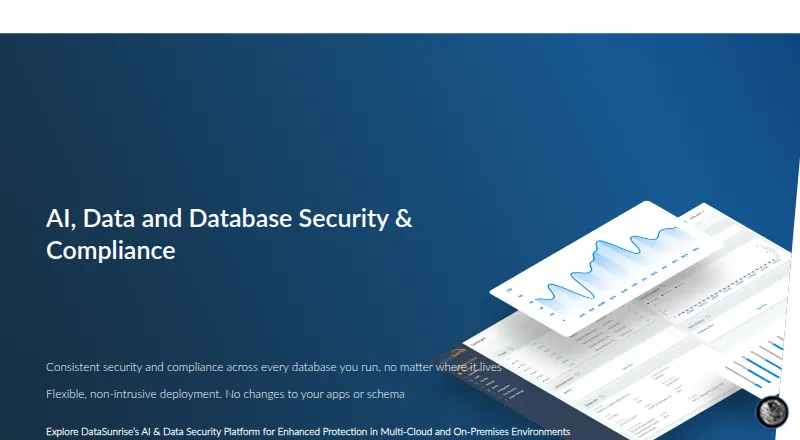
What DataSunrise is
DataSunrise is a data, AI, and database security platform for organizations protecting sensitive information across on-premises, cloud, and hybrid environments. Its functions include activity monitoring and audit, data masking, database firewall, sensitive data discovery, vulnerability assessment, and data security posture management. The firewall monitors database activity in real time, detects SQL injection and other malicious query patterns, and can block potential threats. Other controls include encryption, request blocking, access restrictions, and SQL allow or deny lists. DataSunrise says it can be installed in cloud and on-premises environments using a non-intrusive approach that leaves existing databases and applications unchanged. Published integrations span databases, cloud services, storage, business tools, and generative AI services; available monitoring methods vary by database, version, and deployment. The company says the platform supports compliance efforts for SOX, HIPAA, GDPR, PCI DSS, and other frameworks. It lists Linux, Windows, web, and self-hosted availability. Pricing is on request, there is no free plan, and a 30-day trial is listed. The firewall page states an approximate 5–10% impact on database and application performance.
Good
- Combines monitoring, masking, discovery, and firewall functions.
- Supports SQL and NoSQL databases and data warehouses.
- A 30-day trial is listed.
- Provides installation guides, documentation, FAQs, and support contact.
Watch out
- There is no free plan.
- Pricing is available on request.
- Firewall performance impact is stated at around 5–10%.
- Monitoring connection methods vary by database and deployment.
Who it suits
DataSunrise is aimed at organizations protecting sensitive data across cloud, on-premises, and hybrid environments. Its listed industry solutions include financial services, healthcare, retail, and education.
Verdict
DataSunrise covers several database security functions and deployment environments, with published integrations spanning databases and cloud services. Teams should account for quote-based pricing, connection-method variation, and the stated firewall performance impact.
Plans and prices
From DataSunrise's own pricing page, checked 29 Sep 2026.
| Plan | Price | What it gives you |
|---|---|---|
| Custom pricing | Priced on request | Price calculated individually · personalized offer provided after submitting a request |
The facts
Each one read from DataSunrise's own pages, with the date it was checked.
What it does
- Compliance
- DataSunrise says it supports compliance efforts for SOX, HIPAA, GDPR, PCI DSS, and other regulatory frameworks.checked 29 Sep 2026
- Core functions
- The platform includes activity monitoring and audit, data masking, database firewall, sensitive data discovery, vulnerability assessment, and data security posture management.checked 29 Sep 2026
- Database coverage
- The published integrations include SQL and NoSQL databases such as PostgreSQL, MySQL, SQL Server, Oracle, MongoDB, Cassandra, and Qdrant, as well as warehouses such as Snowflake and BigQuery.checked 29 Sep 2026
- Deployment
- The company says the product can be installed in cloud and on-premises environments and uses non-intrusive deployment that leaves existing databases and applications unchanged.checked 29 Sep 2026
- Integration limits
- The available monitoring connection methods vary by database, version, and deployment; the directory documents proxy, sniffer, host agent, and native audit availability by service.checked 29 Sep 2026
- Integrations
- The integrations directory lists databases, AWS, Azure, Google Cloud, file and object storage, OneDrive, SharePoint, Salesforce, and generative AI services including ChatGPT, Claude, Amazon Bedrock, and Azure OpenAI.checked 29 Sep 2026
- Intended users
- The company describes its platform as serving organizations protecting sensitive data across cloud, on-premises, and hybrid environments, with solutions by industry including financial services, healthcare, retail, and education.checked 29 Sep 2026
- Masking and controls
- The firewall page says it supports dynamic data masking, encryption, request blocking, access restrictions, and allow or deny lists for SQL statements.checked 29 Sep 2026
- Performance
- The database firewall page states that its performance impact on databases and applications is around 5–10%.checked 29 Sep 2026
- Product
- DataSunrise is a data, AI, and database security platform for protecting sensitive information across on-premises, cloud, and hybrid environments.checked 29 Sep 2026
- Support
- The support page provides installation guides, product guides, documentation, FAQs, and a form to contact the support team.checked 29 Sep 2026
- Threat protection
- The database firewall monitors activity in real time, detects SQL injection and other malicious query patterns, and can block potential insider threats and external intrusions.checked 29 Sep 2026
The company
- Headquarters
- Seattle, Washingtonchecked 23 Sep 2026
Money
- Trial
- The site offers a “Start Free Trial” option, but the pages opened do not specify the trial duration.checked 29 Sep 2026
The full review of DataSunrise
DataSunrise is a database security platform for protecting sensitive information across on-premises, cloud, and hybrid environments. It best suits organizations that need monitoring, masking, firewall controls, and discovery across a varied database estate. Its breadth is compelling, but custom pricing, variable monitoring connections, and a stated 5–10% performance impact call for careful evaluation.
Overview
DataSunrise brings activity monitoring and audit, data masking, database firewall, sensitive data discovery, vulnerability assessment, and data security posture management into one platform. Its range makes it relevant to teams with security and compliance responsibilities across multiple environments; it is less compelling for buyers seeking a narrowly scoped tool with a clear upfront price.
The company says deployment can be on-premises or in the cloud without changing existing databases or applications. The firewall monitors activity in real time, detects SQL injection and other malicious query patterns, and can block potential insider threats and external intrusions. Those controls are balanced by a stated 5–10% impact on database and application performance, a factor to weigh in environments with tight performance requirements.
Key features
Monitoring and protection
Activity monitoring, audit reporting, access governance, and threat detection support a broad security workflow. Firewall controls include request blocking, access restrictions, and allow or deny lists for SQL statements. This combination suits teams that want oversight and enforcement rather than monitoring alone.
Masking, discovery, and compliance
Dynamic data masking and encryption help control exposure, while sensitive data discovery and vulnerability assessment extend coverage beyond query activity. DataSunrise says it supports compliance efforts for SOX, HIPAA, GDPR, PCI DSS, and other frameworks. These functions make it a candidate for organizations handling regulated data, though the platform should not be mistaken for a guarantee of compliance.
Integrations and deployment
Published integrations span SQL and NoSQL databases including PostgreSQL, MySQL, SQL Server, Oracle, MongoDB, Cassandra, and Qdrant, plus Snowflake and BigQuery. The directory also covers AWS, Azure, Google Cloud, file and object storage, OneDrive, SharePoint, Salesforce, and generative AI services such as ChatGPT, Claude, Amazon Bedrock, and Azure OpenAI. Monitoring connection methods vary by database, version, and deployment; proxy, sniffer, host agent, and native audit support are not uniform. Buyers should confirm the method for each source they rely on.
Pricing
DataSunrise is paid software with custom pricing. The price is calculated individually, with a personalized offer after submitting a request, so it is difficult to compare costs before engaging with the vendor. There is no free plan. A 30-day trial is stated in the pricing note, while the trial option on the site does not specify a duration.
Custom pricing is a fit for organizations evaluating a wider security platform against their database estate and requirements. Smaller teams or buyers who need predictable per-user pricing may prefer a product with published rates. No seat or usage caps are stated for DataSunrise.
Platforms
DataSunrise supports Linux, Windows, web, and self-hosted deployment. Its deployment options include hybrid environments, with cloud and on-premises installation described by the company. Support resources include installation and product guides, documentation, FAQs, and a contact form.
Who it's for
Organizations protecting sensitive data across cloud, on-premises, and hybrid systems are the clearest fit, especially those managing databases alongside cloud services, storage, and AI integrations. The company identifies financial services, healthcare, retail, and education among the industries it serves. Teams with a small, uniform database footprint or strict performance budgets may find the breadth and performance trade-off harder to justify.
Pros and cons
- Pros: Combines monitoring, masking, firewall, discovery, vulnerability assessment, and posture management, reducing the need to evaluate each function in isolation.
- Pros: Broad published coverage across databases, cloud services, storage, business platforms, and generative AI services suits mixed estates.
- Pros: Cloud, on-premises, and hybrid deployment options accommodate varied infrastructure choices.
- Cons: Custom pricing requires a request for an individualized offer, limiting upfront cost comparison.
- Cons: Connection methods vary by database, version, and deployment, so integration fit needs to be confirmed source by source.
- Cons: The stated 5–10% performance impact may be material for performance-sensitive applications.
Alternatives
- DSGuard is worth considering when a self-hosted option with a free plan is the priority: its Community Edition is free, with unlimited datasources and no time or capacity limit.
- Aurva Database Activity Monitoring is another self-hosted paid option, with custom quote pricing based on cloud accounts, data sources, and modules.
- DBHawk may suit buyers who want a published SaaS starting price: DBHawk SaaS starts at $40 a month, with a minimum user requirement.
- Satori Data Security Platform is a paid alternative available on self-hosted and web platforms.
- Kron Database Access Manager is a paid alternative.
- DB Audit and Security 360 is a paid option with a free trial and separately priced report-viewer and SQL Server auditing modules.
- DataVeil is a freemium choice for teams focused on data masking, with a free Community License and support for Linux and Windows.
- MySQL is a freemium database option with a free Community Edition, rather than a direct substitute for DataSunrise's broader security platform.
Compare further options in Database Security Software, Database Activity Monitoring Software, Database Vulnerability Scanners, Data Masking Software, Data Security Posture Management Software, and Data Discovery and Classification Software.
Verdict
DataSunrise is a strong candidate for organizations that need several database security functions across cloud, on-premises, and hybrid systems, particularly when their data estate spans many database types and services. Its breadth is the main reason to choose it. Look elsewhere if predictable published pricing, uniform connection methods, or minimal performance impact matter more.
Alternatives to DataSunrise
- 16.1$0.07 usage-based
- 2

Satori Data Security Platform
WebSelf-hosted5.9 - 3

CryptoBind Database Activity Monitoring (DAM)
WebAPISelf-hosted5.8 - 4

Datiphy
Self-hosted5.8 - 5

DB Audit
WebAPILinuxSelf-hosted5.8 - 6
Oracle Audit Vault and Database Firewall
Free planLinuxWindows5.8Free plan